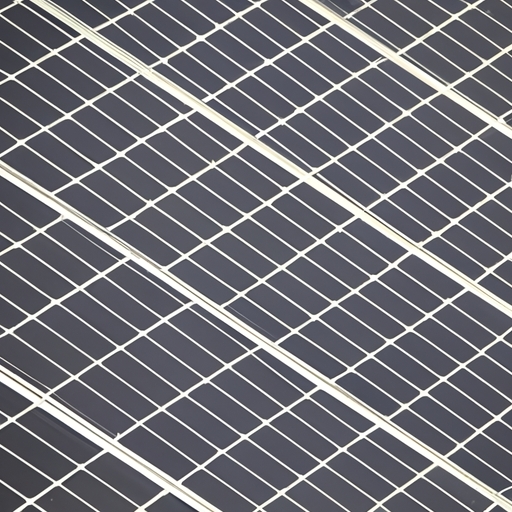
Eco-Friendly and Water-Saving Solar Panel Cleaning Solutions
Posted by on 2024-03-05
Solar energy stands as a beacon of hope in the pursuit of sustainable living, harnessing the sun's boundless power to generate clean electricity. However, maintaining solar panel efficiency is paramount, and it brings its own set of environmental challenges. Traditional cleaning methods often involve vast amounts of water and chemical detergents that can be harmful to our fragile ecosystem. This essay explores innovative eco-friendly and water-saving solutions for keeping solar panels pristine while minimizing ecological footprints.
One such promising approach is the employment of automated dry-cleaning robots. These robots are designed to gently remove dust and debris from panel surfaces without the need for water or chemical cleaners. They operate autonomously, efficiently traversing rows of panels with soft brushes or microfiber cloths, dislodging accumulated dirt which can then be collected and disposed of responsibly. By negating the use of water, these robotic systems conserve a vital resource and prevent potential contamination from runoff.
Nanotechnology also offers a breakthrough in sustainable solar panel maintenance. Researchers have developed hydrophobic coatings that repel water and dust, reducing the frequency at which panels require cleaning. Applying these nanocoatings results in self-cleaning surfaces where rainwater alone can wash away most contaminants — a process known as the lotus effect, named after the naturally self-cleaning lotus leaf. This biomimicry-inspired innovation ensures maximum light absorption without reliance on manual labor or additional resources.
Another alternative is utilizing deionized water systems for those instances where wet cleaning is unavoidable. Deionized water is free from minerals and salts that could leave residue on panels after evaporation. When paired with low-flow nozzles or controlled spray mechanisms, deionized systems optimize cleaning efficacy while drastically reducing water consumption compared to conventional methods.
Furthermore, embracing rainwater harvesting complements these eco-conscious efforts by providing an organic source of clean water when needed for maintenance purposes. Collecting and storing rainwater not only conserves municipal supplies but also supports a closed-loop system that aligns with principles of sustainability.
In regions where access to fresh water remains limited, adopting these innovative techniques becomes even more critical. It demonstrates how technology can aid in preserving precious environmental resources while supporting renewable energy initiatives.
To sum up, it's evident that integrating eco-friendly and water-saving innovations into solar panel maintenance routines presents multiple advantages: conserving natural resources, protecting ecosystems from pollutants, optimizing energy generation efficiency, and fostering sustainable practices within the renewable energy sector.
By prioritizing research and development in this area alongside green policies encouraging responsible management strategies — we can ensure that our journey towards cleaner energy does not come at an unacceptable cost to our environment’s health or our planet’s future prosperity.
One such promising approach is the employment of automated dry-cleaning robots. These robots are designed to gently remove dust and debris from panel surfaces without the need for water or chemical cleaners. They operate autonomously, efficiently traversing rows of panels with soft brushes or microfiber cloths, dislodging accumulated dirt which can then be collected and disposed of responsibly. By negating the use of water, these robotic systems conserve a vital resource and prevent potential contamination from runoff.
Nanotechnology also offers a breakthrough in sustainable solar panel maintenance. Researchers have developed hydrophobic coatings that repel water and dust, reducing the frequency at which panels require cleaning. Applying these nanocoatings results in self-cleaning surfaces where rainwater alone can wash away most contaminants — a process known as the lotus effect, named after the naturally self-cleaning lotus leaf. This biomimicry-inspired innovation ensures maximum light absorption without reliance on manual labor or additional resources.
Another alternative is utilizing deionized water systems for those instances where wet cleaning is unavoidable. Deionized water is free from minerals and salts that could leave residue on panels after evaporation. When paired with low-flow nozzles or controlled spray mechanisms, deionized systems optimize cleaning efficacy while drastically reducing water consumption compared to conventional methods.
Furthermore, embracing rainwater harvesting complements these eco-conscious efforts by providing an organic source of clean water when needed for maintenance purposes. Collecting and storing rainwater not only conserves municipal supplies but also supports a closed-loop system that aligns with principles of sustainability.
In regions where access to fresh water remains limited, adopting these innovative techniques becomes even more critical. It demonstrates how technology can aid in preserving precious environmental resources while supporting renewable energy initiatives.
To sum up, it's evident that integrating eco-friendly and water-saving innovations into solar panel maintenance routines presents multiple advantages: conserving natural resources, protecting ecosystems from pollutants, optimizing energy generation efficiency, and fostering sustainable practices within the renewable energy sector.
By prioritizing research and development in this area alongside green policies encouraging responsible management strategies — we can ensure that our journey towards cleaner energy does not come at an unacceptable cost to our environment’s health or our planet’s future prosperity.